Points Miles and Bling (blog) contains referral or affiliate links. The blog receives a small commission at no additional cost to you. Thank you for your continued support. Credit Card issuers are not responsible for maintaining or monitoring the accuracy of information on this website. For full details, current product information, and Terms and Conditions, click the link included.
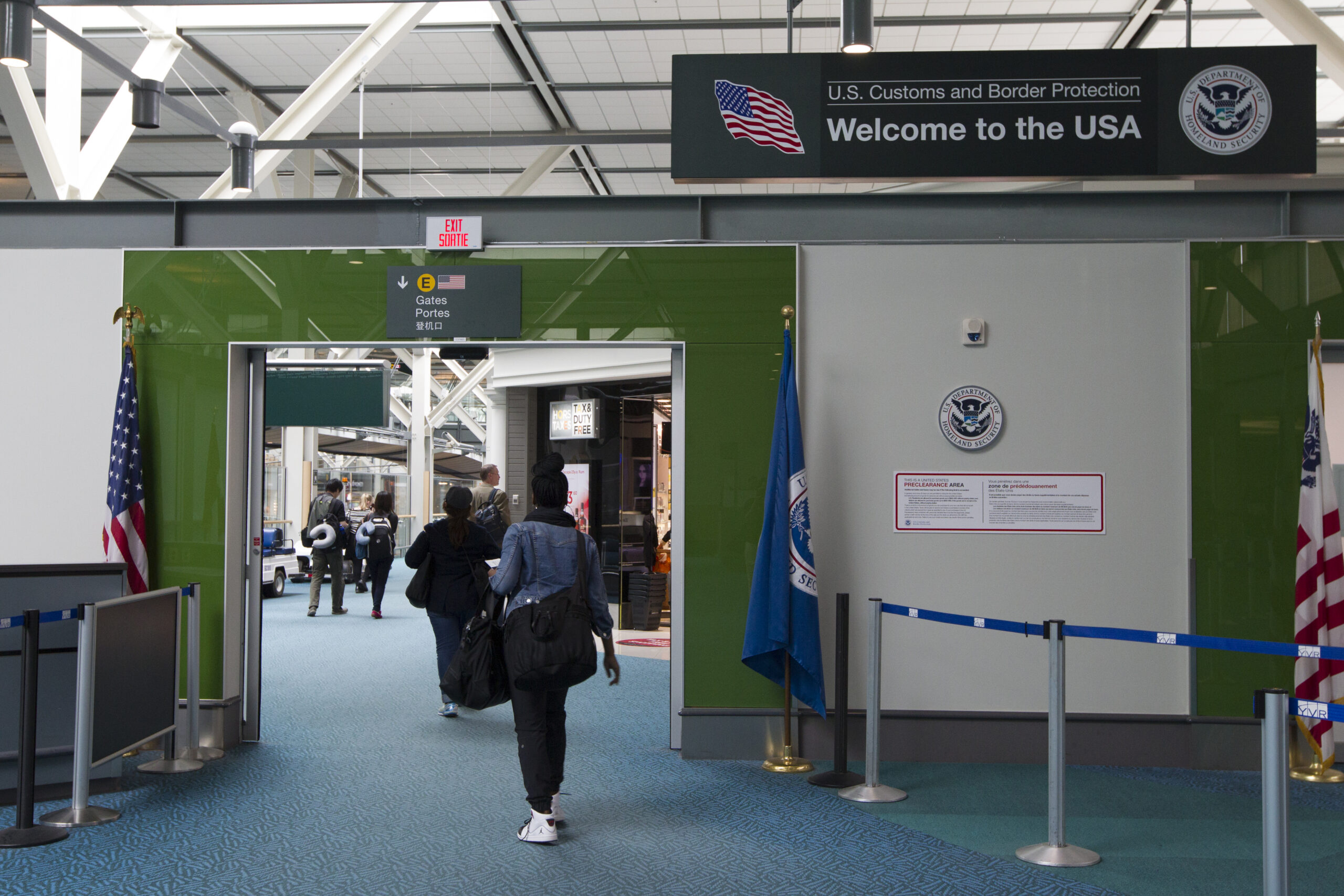
U.S. preclearance has its pros and cons, but it’s not always as beneficial as it seems. As a child, I assumed U.S. preclearance was the norm — you clear U.S. customs on home soil and then arrive as a domestic passenger. It was only when I began travelling internationally that it became clear how strange it is for a country to effectively set up a border in foreign airports.
While Nexus removes most of the friction regardless of where you clear customs, I still think preclearance has more downsides than upsides.
Why U.S. Preclearance is Actually Great
In fairness, there are multiple benefits to U.S. preclearance, and it would be amiss to dismiss them. When everything goes smoothly, it’s easy to appreciate the benefits of landing in the U.S. like a domestic passenger.
Clearing customs before departure means you can head straight to baggage control and through the exit doors to maximize time at your destination. If you’re connecting in the U.S., it makes onward domestic or international flights much easier.
The Reasons Against U.S. Preclearance
I’m Booking a Long U.S. Connection Anyway
In theory, preclearance should make tighter connections viable. In practice, transborder reliability means I still book long, conservative layovers. If I’m doing that anyway, I’d rather not arrive at the airport early just to clear U.S. customs.
Higher Chance of Missing Your Flight
Sure, you should arrive at the airport early to minimize your chances of missing your flight. Also, a quick reminder that the check-in deadline for U.S. flights is 90 minutes, so make sure to come extra early if you need to check a bag or you’re not eligible for electronic boarding passes.
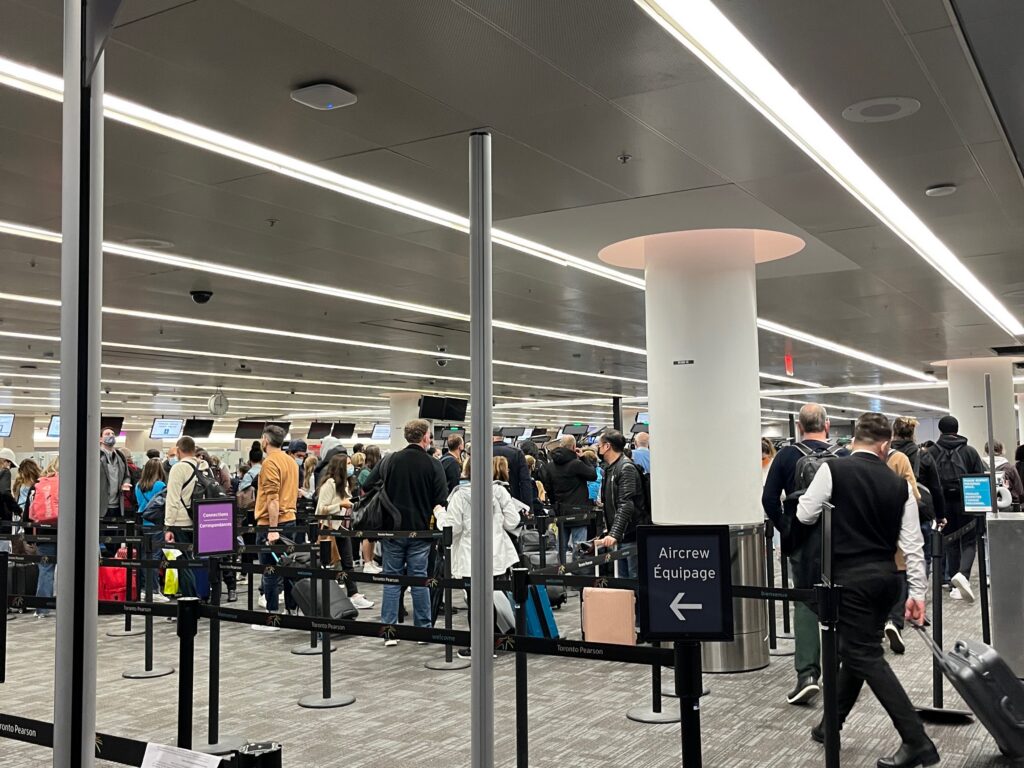
Then the U.S. CBP facility begins processing passengers at 3:30 AM and there are many flights to the U.S. departing around 5 AM. Well, there are also many U.S.-bound flights departing at 6AM and 7 AM and since passengers are told to come extra early, the preclearance facility is frequently overwhelmed in the morning hours. As a result, so many flights end up delayed waiting on passengers (and even crew). The benefit of an easier arrival can quickly be outweighed by the stress of watching your departure slip further behind schedule.
Domestic to Transborder Connections in Canada
Connecting from a domestic flight to a U.S. flight adds friction. You may need to clear transit security, always without a Nexus lane, and then go through preclearance on top of that.
In some cases, you may even have to exit the secure area and check in again. Unlike departing passengers, you can’t “arrive early” to mitigate this risk.
Poor Facilities After Preclearance
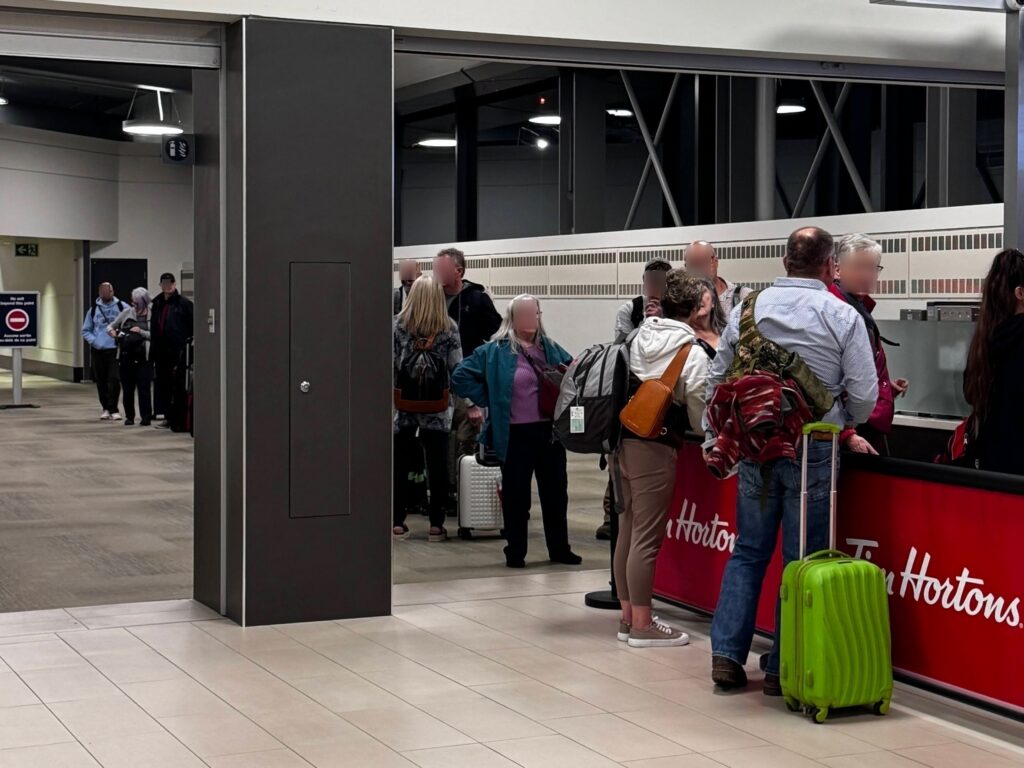
The preclearance area is often very bare bones. At my home airport in Ottawa, there are no lounge facilities at all. With many U.S. departures in the early hours and the Nexus lines not even open, I find myself waiting 20+ minutes at Tim Hortons with every other passenger in a desperate bid to caffeinate.
Even at Toronto Pearson, where lounges do exist, they’re often crowded and underwhelming.
When Your U.S. Flight is Cancelled
If your flight is cancelled after clearing U.S. customs, you must re-enter Canada, get rebooked, and then clear preclearance again should you get rebooked to a later flight that day.
Re-entering Canada despite never having left feels unnecessarily cumbersome, and the customs lines can be very long. I last had to do this in Toronto when the EVA flight from Taipei landed, and I witnessed my fellow passengers waiting 20+ minutes (while I breezed through the Nexus line).
With Nexus, It’s Quick on Arrival Anyway
The main argument I hear is U.S. preclearance is a non-issue when one holds Nexus. But entering the U.S. on arrival is already quick with Nexus, without the risk of missing your flight. If you’re connecting stateside and need to clear customs, I’d argue it’s not any more laborious than a domestic to transborder connection in Canada.
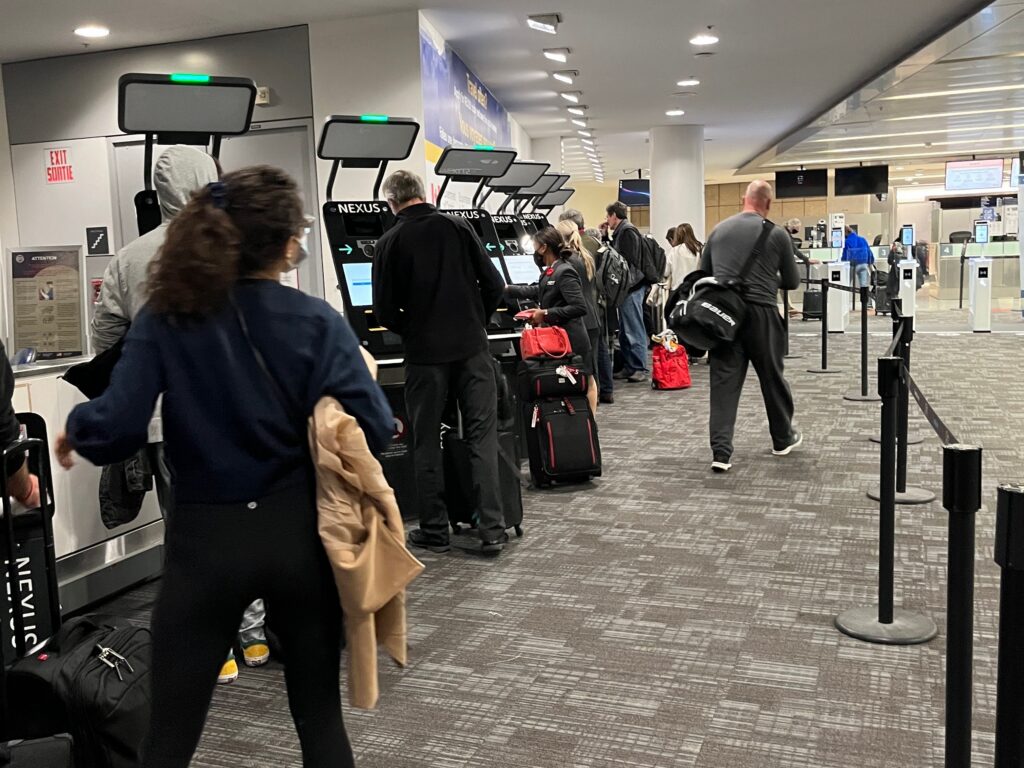
Furthermore, all Canadian citizens can use the U.S. citizen lines without requiring any Trusted Traveller status.
Takeaway
U.S. preclearance offers clear benefits, particularly for seamless arrivals and connections. However, long lines, limited facilities, and unnecessarily burdensome customs and security procedures can make the departure experience more stressful than it needs to be.
For frequent travellers, the trade-offs aren’t always worth it.
