Points Miles and Bling (blog) contains referral or affiliate links. The blog receives a small commission at no additional cost to you. Thank you for your continued support. Credit Card issuers are not responsible for maintaining or monitoring the accuracy of information on this website. For full details, current product information, and Terms and Conditions, click the link included.
Air Canada business class is fine. This is exactly the problem. After my recent Air Canada business class flight, I kept coming back to the thought: why have we become so willing to accept “good enough” from North American airlines, specifically in premium cabins? When a seat turns into a bed, and the experience is merely functional, that often seems to be enough to earn praise. But in 2026, being just good enough should not be the standard that airlines strive to achieve for the premium price tag.
This Was Supposed to be a Flight Review
This blog post actually began as a review of my recent Air Canada flight from Seoul to Vancouver. I started writing about everything that frustrated me about the Air Canada experience, from the uncomfortable inflated business class seat, to being served the wrong meal twice, and to the constant chatter in the galley. But as I kept writing, I realized my frustration was not really about Air Canada alone. It was about a larger systemic problem with North American airlines and how travelers have been conditioned to accept products and service standards that would feel subpar in other parts of the world.
The Bar is Too Low
The more premium airline products you fly, the more you realize just how low the bar has become for North American business class or, as they like to dress it up in the U.S., “first” class.
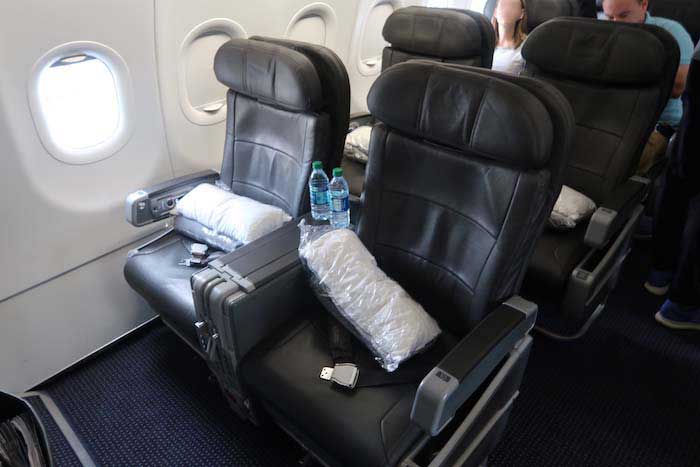
U.S. Domestic First Class(AA), source: travelingformiles.com
I do not know exactly when it happened, but somewhere along the way in the past couple of decades, we lowered the standard. Instead of asking whether a product actually feels premium, we started asking whether it is merely good enough compared to the other North American options around it. People will say there is no point comparing Air Canada to Emirates because that is like comparing apples and oranges. But if we stop making those comparisons, airlines will continue offering business-class experiences that feel dated, uninspired, or forgettable, yet still be defended as genuinely impressive. As an example, there’s nothing “signature” about Air Canada Signature Class; it is just branding and marketing to appear as if it’s a step above business class. The same holds true with United Polaris or DeltaOne.
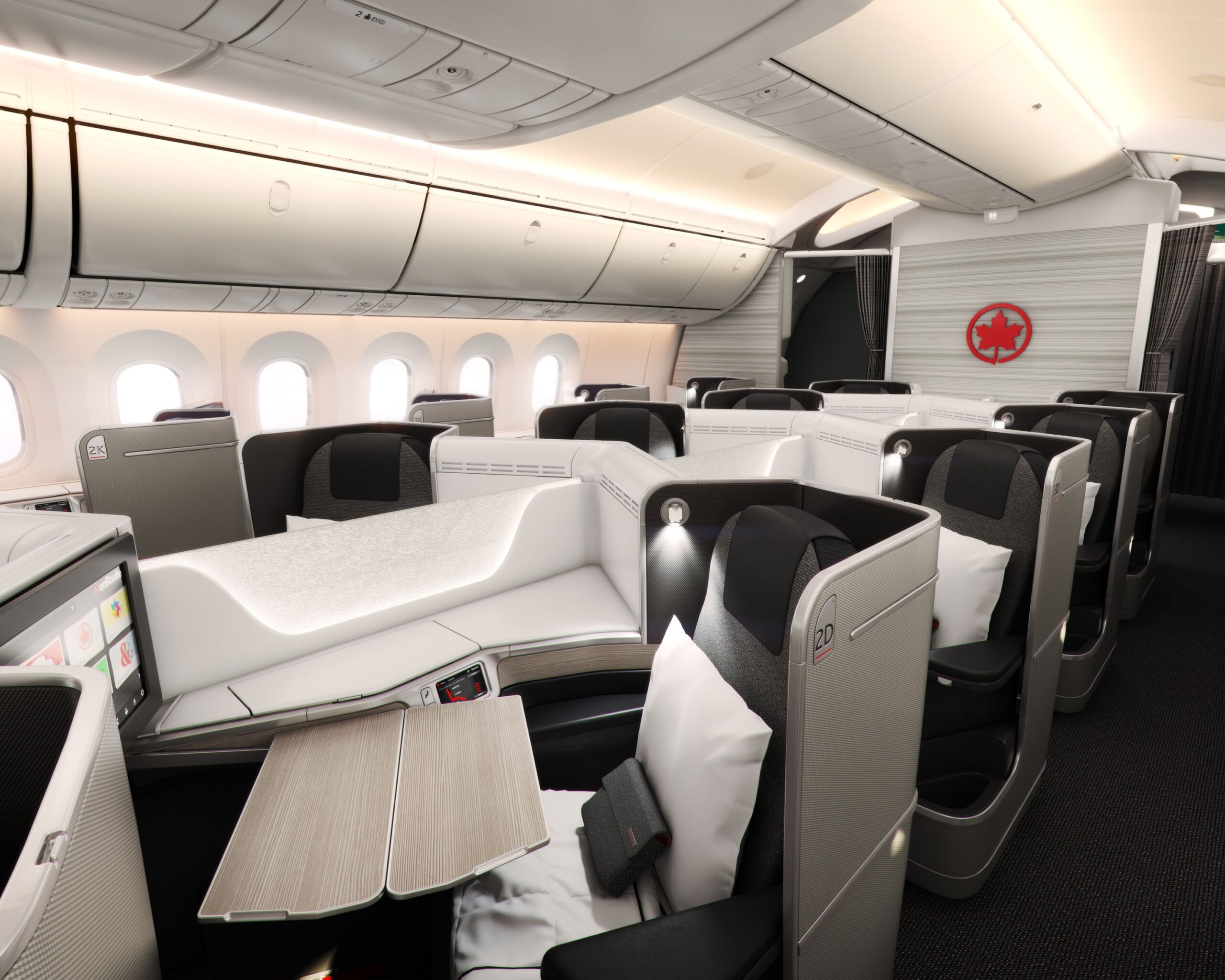
Air Canada Boeing 787 Signature Suite (source: Air Canada)
Emirates A350 Business Class
Because we have accepted a lower bar, we have also accepted the idea that a lie-flat bed, direct aisle access, some level of privacy, and food that is better than economy should somehow be enough.
It is not.
Those hard product features may have sounded impressive a decade ago, when direct aisle access still felt differentiated and lie-flat seating still carried a real wow factor. But in 2026, those are no longer premium features. They are baseline expectations. And yet North American airlines still get credit for clearing a bar that is no longer especially high.
To be fair, some fleets are finally being modernized, and new products are slowly starting to arrive, including Air Canada’s upcoming new premium cabins. But those rollouts will take years to fully deploy, while many Middle Eastern and Asian airlines have already been offering more modern, refined products for years. And even if the hard product gap narrows, that only solves part of the problem. The soft product, the service culture, and the sense of hospitality require a broader shift, and that is where I am far less optimistic will ever change.
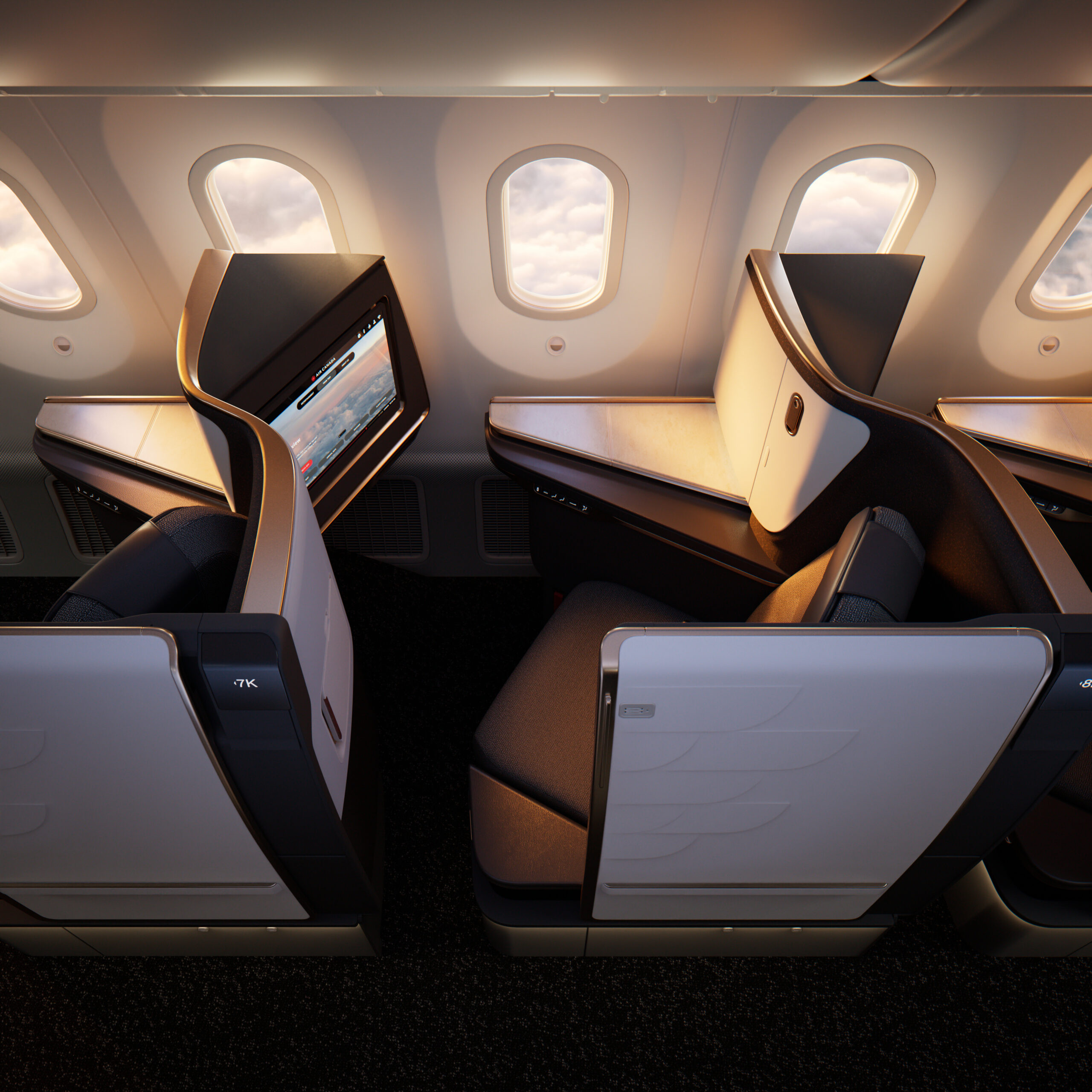
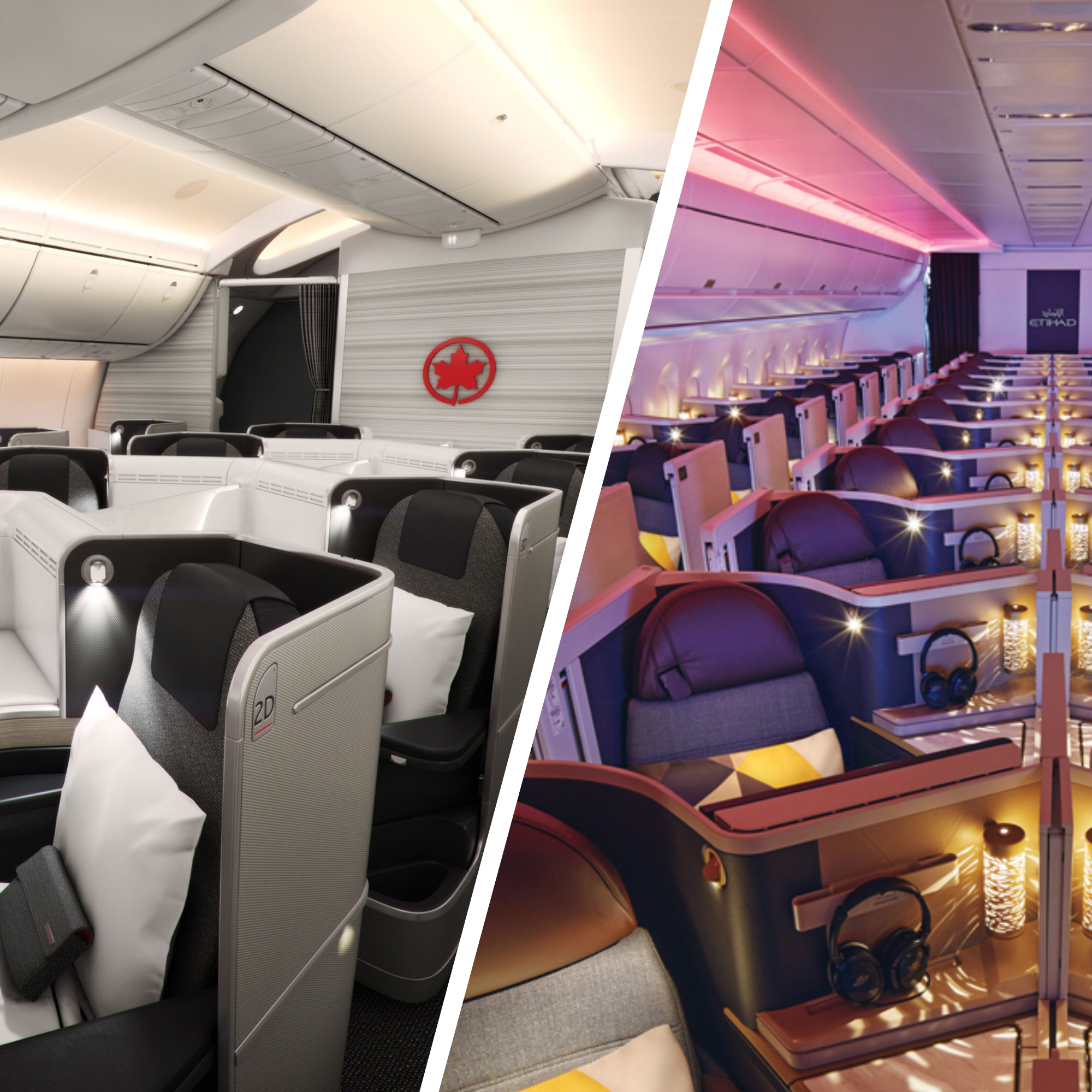
Air Canada New 787 Business Class
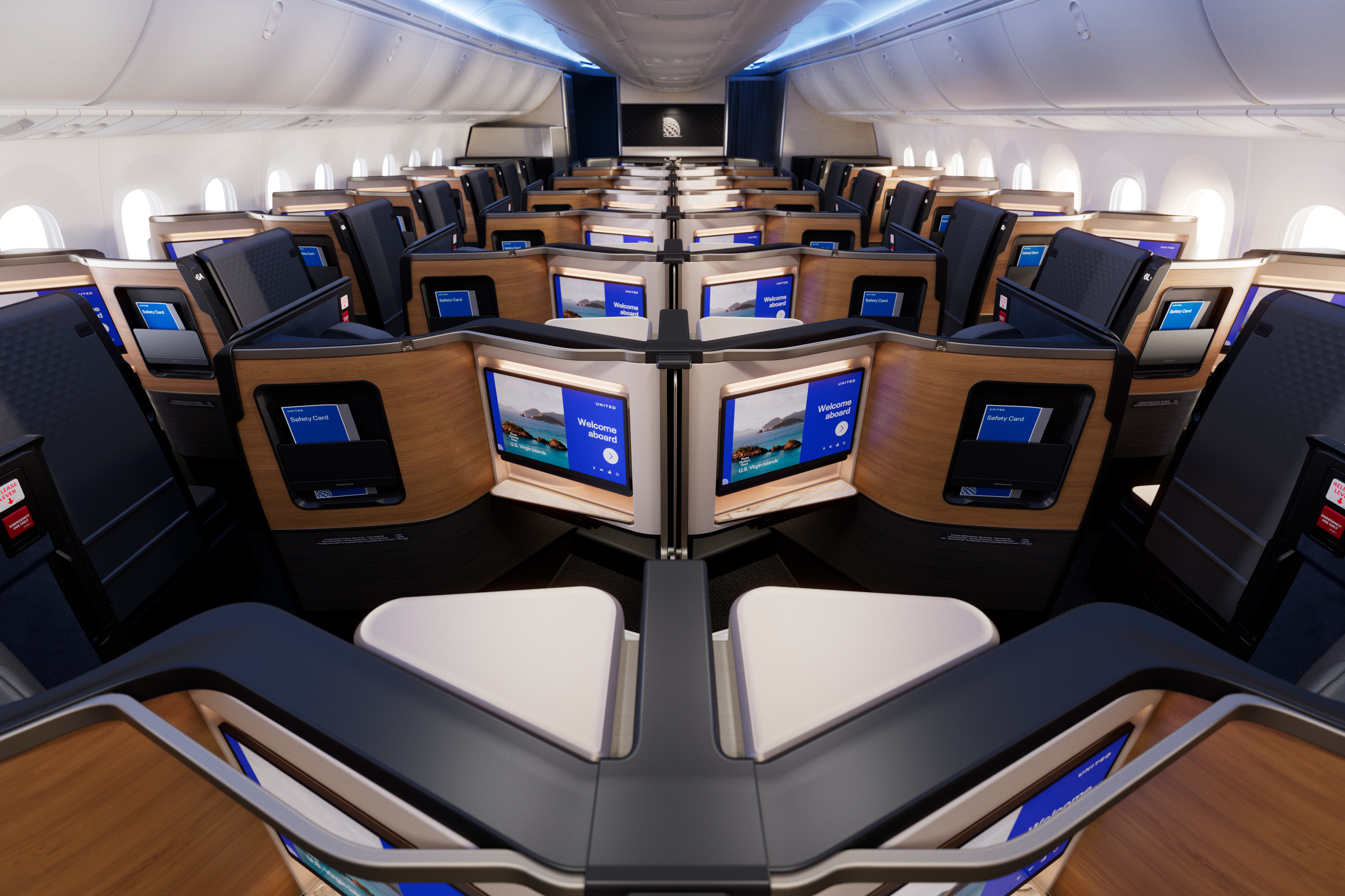
United’s New Polaris Business Class
What Middle Eastern and Asian Airlines Still Understand
Comparisons to airlines like Emirates, Etihad, Singapore Airlines, and Starlux matter. I am not asking Air Canada to transform itself into Emirates; that is not the point. The point is that these airlines deliver something many North American airlines could stand to learn from: premium travel should feel premium. It should feel intentional. It should feel like the airline is trying to create something more than just a slightly more comfortable way to cross an ocean. Emirates and Etihad, in particular, know how to make premium travel feel special. Even when not every part of the experience is perfect, there is usually a visible effort to elevate the journey. The soft product feels considered, not ignored, and premium travelers are offered something that feels distinct, not merely a larger seat and a glass of wine.
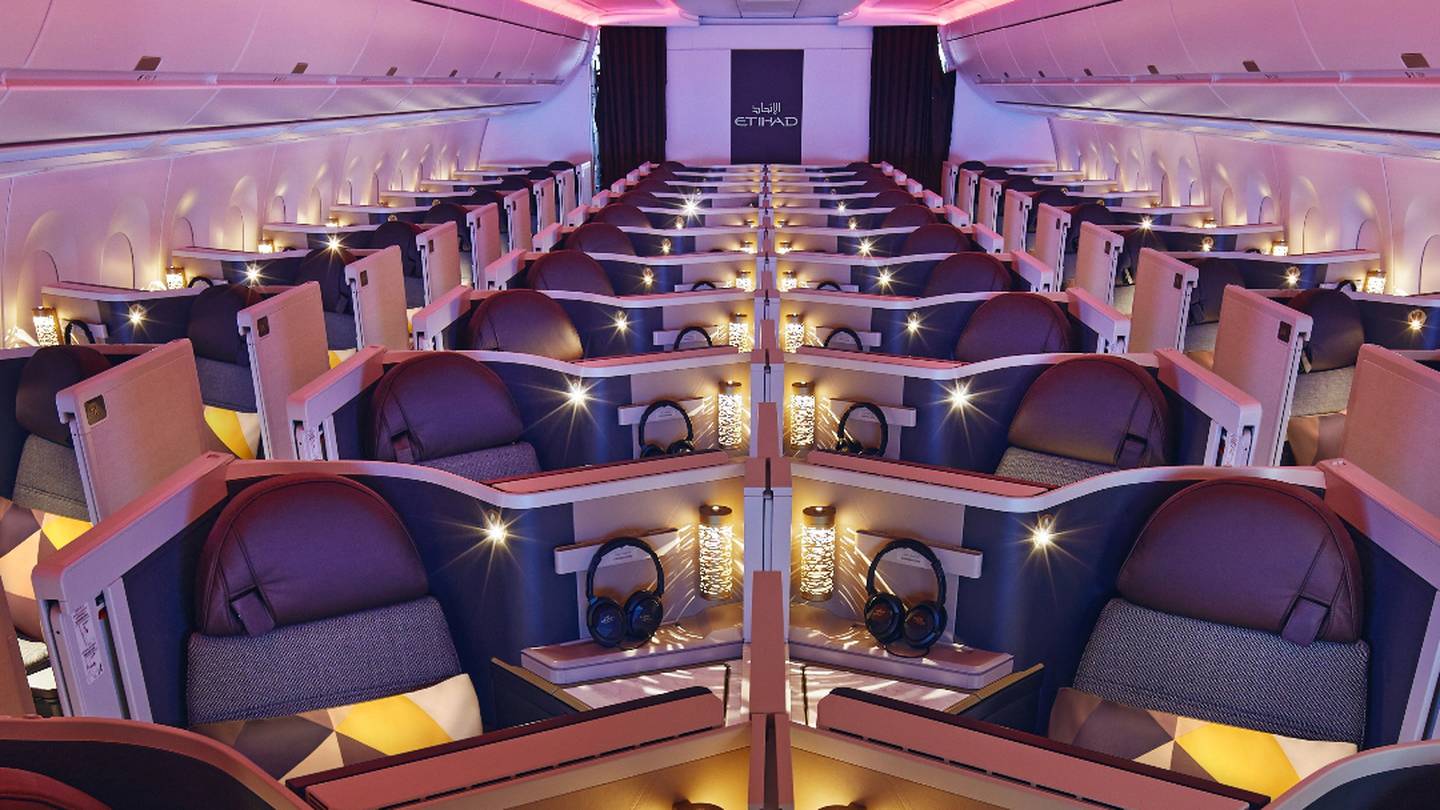
Etihad A350 Business Class
Asian airlines like Singapore Airlines, Cathay Pacific, Starlux, and JAL often express premium differently. Their soft product is less about spectacle and more about refinement, consistency, and detail. Service tends to feel calmer, more discreet, and more anticipatory. It is an experience that feels carefully considered.
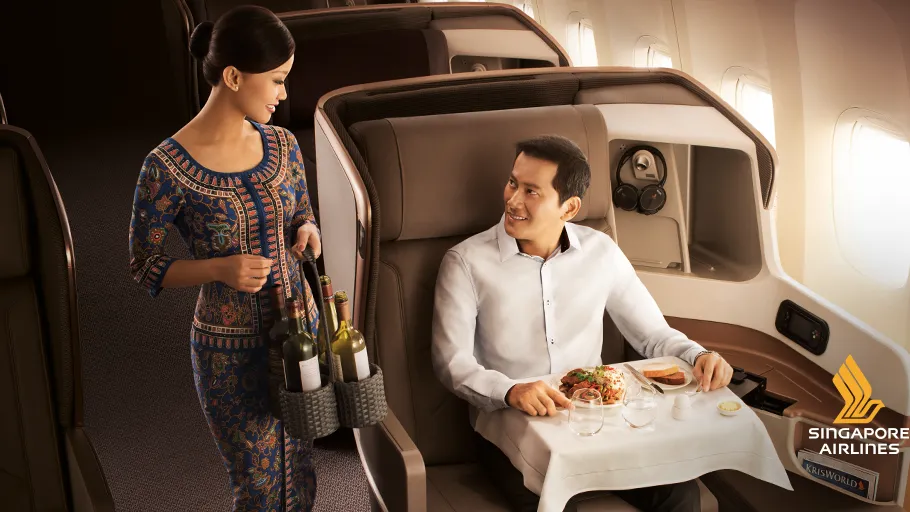
These are the lessons Air Canada and other North American airlines should take from these carriers. They do not need to copy them outright, but they should pay close attention to what they get right and actively work to bridge the gap between a merely functional premium product and one that actually feels premium. Whether it is the sense of occasion offered by Middle Eastern airlines or the refinement and consistency of Asian ones, both show that premium travel can still feel thoughtful, distinct, and worth paying for.
Good Enough Is Not Good Enough
The difference between functional and genuinely premium became especially clear on my recent Air Canada flight.
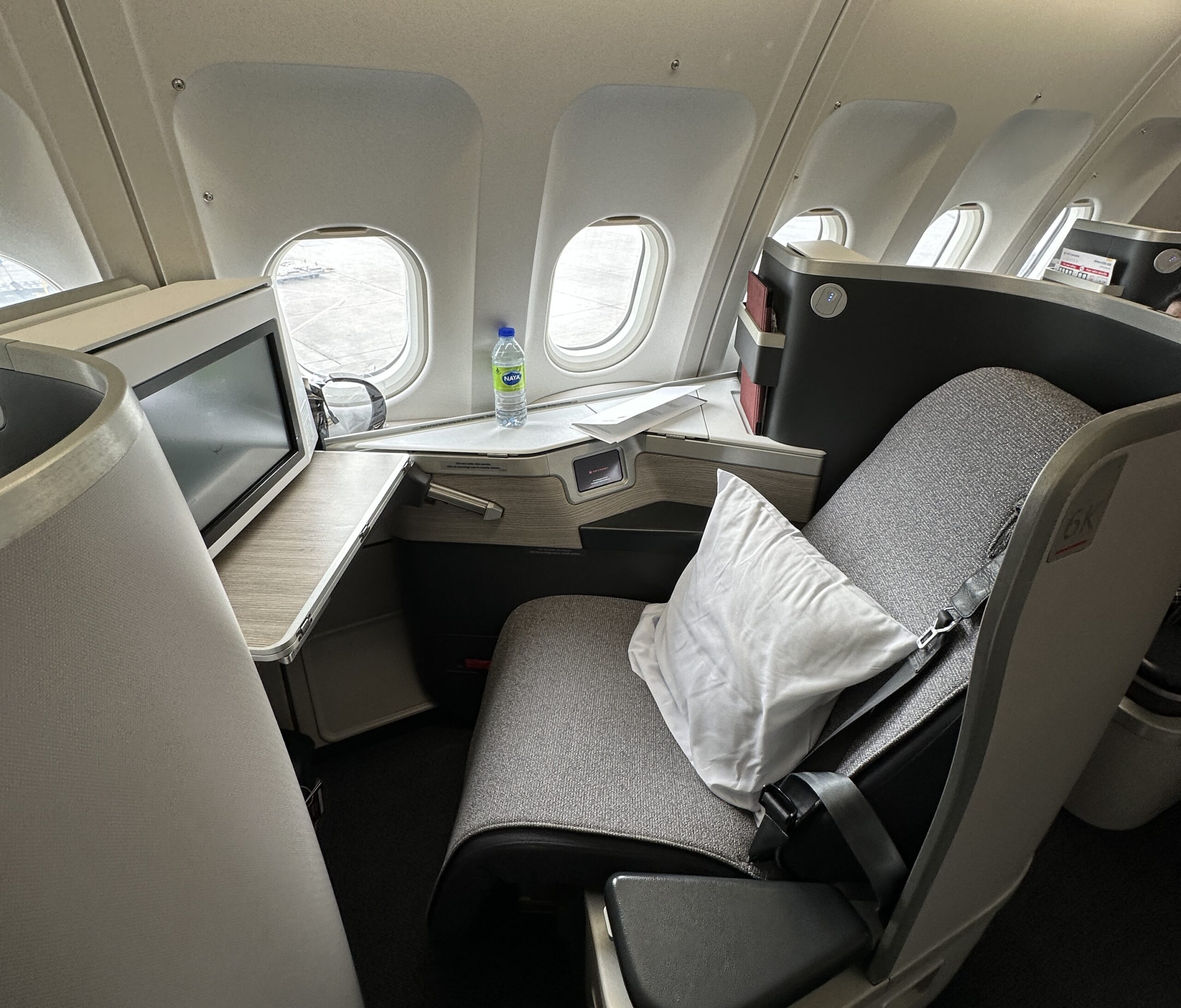
Air Canada Business Class 777
I will be honest: the moment I boarded my Air Canada flight and sat down, I felt uncomfortable, almost like I was sitting on an exercise ball. I kept shifting around, trying to find a position that felt natural, knowing I still had another 10 hours ahead of me. That initial frustration eventually gave way to something more telling: feeling underwhelmed. I had more space than the seats in the back, I was served good wine, and nothing major went wrong, if you ignore being served the wrong mains twice. But nothing about the experience felt especially polished, memorable, or premium either. For the first time in a long time, I found myself simply watching the clock until the flight ended.
I had moved from frustration to acceptance. After speaking with others who had also flown this product, I realized that many shared a similar sentiment, best summarized as “good enough.” Good enough to sleep. Good enough to get some privacy. Good enough compared to alternatives that may not even be available. But for a cabin that is sold and priced as premium, good enough should not be enough. Part of the reason I keep bringing Air Canada to the forefront is that it has been named the best airline in North America by Skytrax for 8 of the last 10 years. While we can reasonably disagree with Skytrax rankings, Air Canada may well be the best of a relatively weak North American competitive set that includes WestJet, United, American, and Delta. But that is exactly the problem. Being the best in North America is not the same thing as being genuinely good.

Why Mediocrity Gets a Pass
North American airlines benefit from a customer base that has grown accustomed to treating “better than economy” as the benchmark, as well as those with an undeniably strong love for their individual airline. Once a product meets the basic expectations of comfort, many travelers are willing to label it good, even when it no longer feels meaningfully premium. That may be understandable in certain situations, like on an award ticket when no better option was found, but it is also how mediocrity becomes normalized.

Final Thoughts
Somewhere over the Pacific, watching the hours tick by in a seat that never quite felt right, I stopped being frustrated and started being resigned. The shift from expecting better to simply accepting what is there is probably the most honest summary of what the North American business class has become. Air Canada is not the villain here. It is just the most visible example of an industry that has quietly convinced its customers to lower their expectations. When the competitive set is weak enough, “not terrible” starts to feel like an achievement. And when travelers have been conditioned long enough, “better than economy” starts to feel like a meaningful standard.
The airlines that still understand what premium travel should feel like are not doing anything mysterious. They are simply refusing to stop trying. North American airlines have not lost the ability to do the same. They have lost the pressure to.

7 comments
Fully agree. Flew to Europe last month. One deflated seat (still waiting for a response from ac a month later) very low quality vegetarian meals (rice, spinach and red sauce as one meal, pasta with cream only for another and a soggy sandwich wrapped in cellophane as a third….) FAs were nice but clearly not willing to ensure a great experience (was told well at least your flight is only 5 H when I raise the broken seat issue)
It was very much a “it was overall fine” flight but nowhere near what a premium experience could be
Nice article. I think most of what you’re describing could be equally said of North American hotels. Further evidence that this is no easy fix.
You raise some very valid issues. I think that a large part of the root problem of mediocrity is that there’s been far too much consolidation in the North American airline industry and – at least in the USA – there are laws in place that make it impossible for foreign owned airlines to operate domestically.
What an unbelievably frustrating rant this was to read. I have exactly the same frustration with NA airlines and specifically with AC’s appalling blow-up-doll inflatable seats, which cannot provide comfort to me. Dozens of airlines I’ve flown and the seats I dread most are these. Sah is dead right in describing the situation. It’s exactly how I feel.
Sash is complaining about what bloggers call “soft product”; it isn’t a “product” at all, it’s people, food/drink and process. And that means we’re wading into the muddy waters of Culture. What’s different in the North American culture, that’s relevant to this issue? What’s specifically involved, at Air Canada?
1. Egalitarianism. We’re all equal, nobody above anybody else. Many in service can’t even comprehend the time-honoured tradition of taking genuine pride in serving. To serve really well, at the level of “Excellent”, one needs to take real pleasure in the act of serving another. “What makes a good servant? The gift of anticipation.” Union culture in North American airlines (except Delta) is in conflict with this sentiment. And scrapping unions would throw the baby out with the bathwater. Hopeless?
2. Obsession with “metrics”. Management is so thrilled with their measurement toys that they dismiss all values that can’t be measured. But everything Sash says is messed up is immeasurable. Fixing them will enhance no airline executive’s career because it can’t be demonstrated on a pie chart at Annual Review time. Failing to fix it won’t get anyone fired, because nobody can win the argument about whether it’s fixed. It’s “fuzzy” so people who work in offices can’t focus on it. Somewhere there’s a guy with a door who could make a difference, consult personally face-to-face with 50 customers, but (s)he won’t. Who would give him/her the time? Who would provide a meaningful budget for the changes? Who would decide how to measure his/her success? Hopeless?
3. Utter, total, absolute lack of competition. Since we’re discussing lie-flat seats, we’re discussing front-cabin travel on longhaul International flights, which means Air Canada. Not Westjet, not Flair, not Swoop, not porter. Just, only, Air Canada, alone, on its own, by itself. And they know it, as they always have. Hopeless?
4. Us. You, me, him, her, all of us. It’s our fault. Not one of us has made a single meaningful move to punish them for what we don’t like. We buy tickets, we engage their loyalty program (if you’re high in Aeroplan status, that’s a lot of revenue you did NOT divert to the beloved Emirates, EVA, Qatar, ANA). AC does, in fact, provide Canadians (especially in the Epicentre of the Known Cosmos YYZ) a better overall experience than foreign carriers for which our airports are outstations. If you want the full legacy-carrier high-status experience, you are captive to AC and we all know it. Hopeless?
For those of us lucky enough to occasionally use good foreign carriers, there’s the occasional frisson of excitement at avoiding AC UA DL AA and their likeminded buddies BA LH. But most of the time we “choose” AC. They do in fact have us over a barrel. We will in fact put up with it. And they know it, cuz they can measure that.
Sash is right about the complaints in this piece. As for optimism? Don’t worry, there’s a new crumb coming our way any day now.
North America expects too much for their dollar, why innovate when just charge more to those who can afford to and they will accept MEH products. It’s the low hanging fruit. It is always going to be Meh because it wants profits over people. I got you there.
Totally 100% agree John
North American airlines are obsessed with killing competition (between each other) as well as delivering returns to shareholders. LCCs appeared as a threat, so they dialed the bar low especially for economy. Then it’s all about maximizing profit, they have fairly high labour costs, but the last decade has all about delivering less and charging their customers more $.
Also most North American carriers are now pretty much banks with credit card portfolios that just happen to have aircraft. They stopped caring about flying 10 years ago.