Table of Contents
Points Miles and Bling (blog) contains referral or affiliate links. The blog receives a small commission at no additional cost to you. Thank you for your continued support. Credit Card issuers are not responsible for maintaining or monitoring the accuracy of information on this website. For full details, current product information, and Terms and Conditions, click the link included.
I’ve driven across the country with my dad twice. The first time, March 2021, we went to ski in Whistler and stayed entirely within Canada, starting in Guelph, ON. The second time, this past November, I was moving to Vancouver, and we wanted a different experience, so we routed through the U.S. instead (read about the trip here). It was slightly shorter, and a much different experience.
Both trips took four driving days, roughly 40-45 hours behind the wheel, and both had beautiful stretches. But the thing that stuck with me after two cross-country drives isn’t really about which route has better scenery; it’s that the people and small moments along the way ended up mattering just as much as the landscape, sometimes more. The honest answer to which route to take depends on what you’re optimizing for: time and cost, a specific kind of scenery, or the kind of trip where you leave room for surprises.
The U.S. Route
Cutting through Michigan’s Upper Peninsula, Minnesota, North Dakota, Montana, Idaho, and Washington shaved about four hours and 300 kilometres off the Canada route, on interstates that are generally in better shape than their Canadian counterparts. If you’re trying to log maximum daylight hours and keep gas spend down, this is the more efficient option.
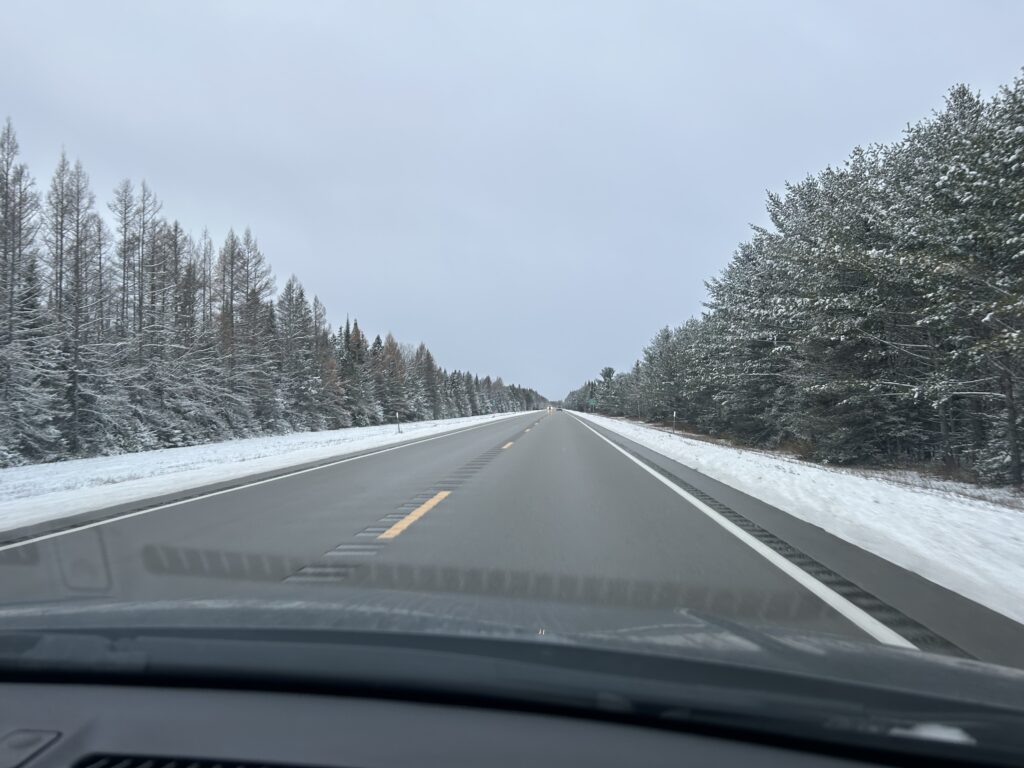
Michigan’s Upper Peninsula
It’s not scenery-free, either. Crossing the Mackinac Bridge into Michigan’s Upper Peninsula is striking, and we stopped at a windy, deserted beach on Lake Michigan with water so blue it looked out of place next to the November chill. Montana surprised me too, just not as I expected. Glendive is flat, dry prairie for as far as you can see, and it’s not until you’re near Livingston that the land starts to rise, with Yellowstone’s northern edge offering beautiful mountain scenery.
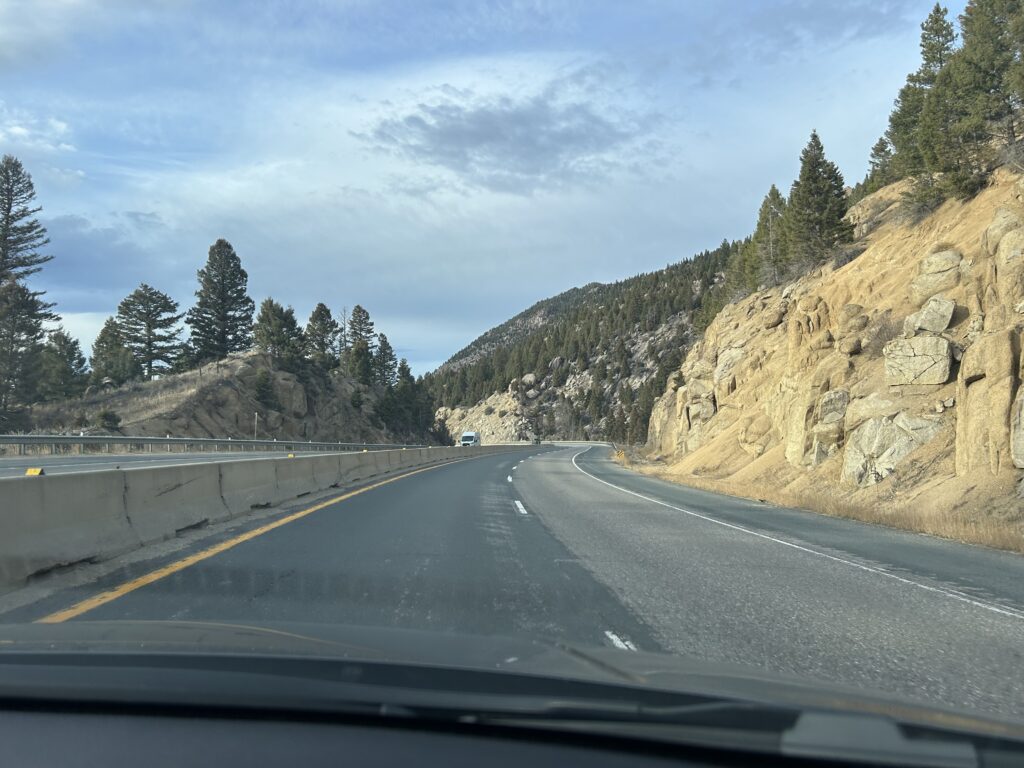
Driving through the Mountains in Montana
But the real standout of this entire route wasn’t a view. It was Wallace, Idaho, a preserved silver-mining town we stopped in almost by accident. The whole place still feels like it’s living in its own history; brick storefronts and mining-era architecture. What struck me most was the hospitality: a hotel owner who upgraded us to her best suite just because she liked our story and a dinner that turned into an impromptu wine cellar tour. After years of work travel where dinner meant room service between meetings, it felt like a breath of fresh air and a reminder that a random stop in a town of 800 people can be just as special as visiting a national park.
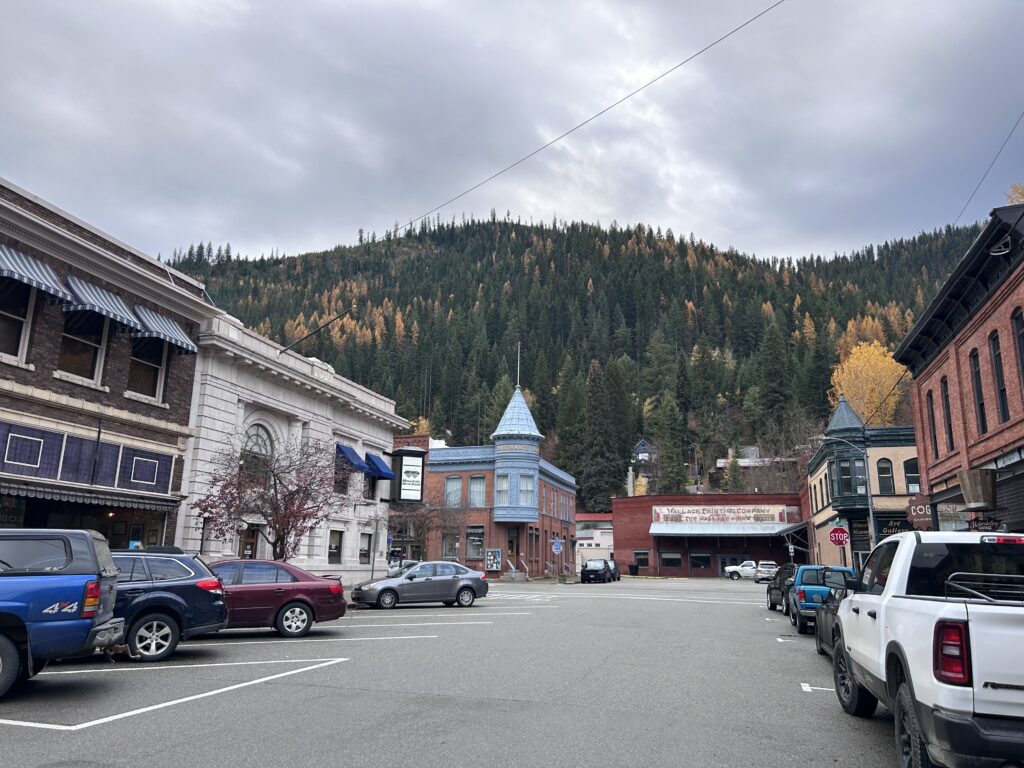
Wallace, ID
Leavenworth, Washington’s full Bavarian-village theme – schnitzel, alpine architecture, the works – was a fun, quirkier detour on the way into the Cascades.
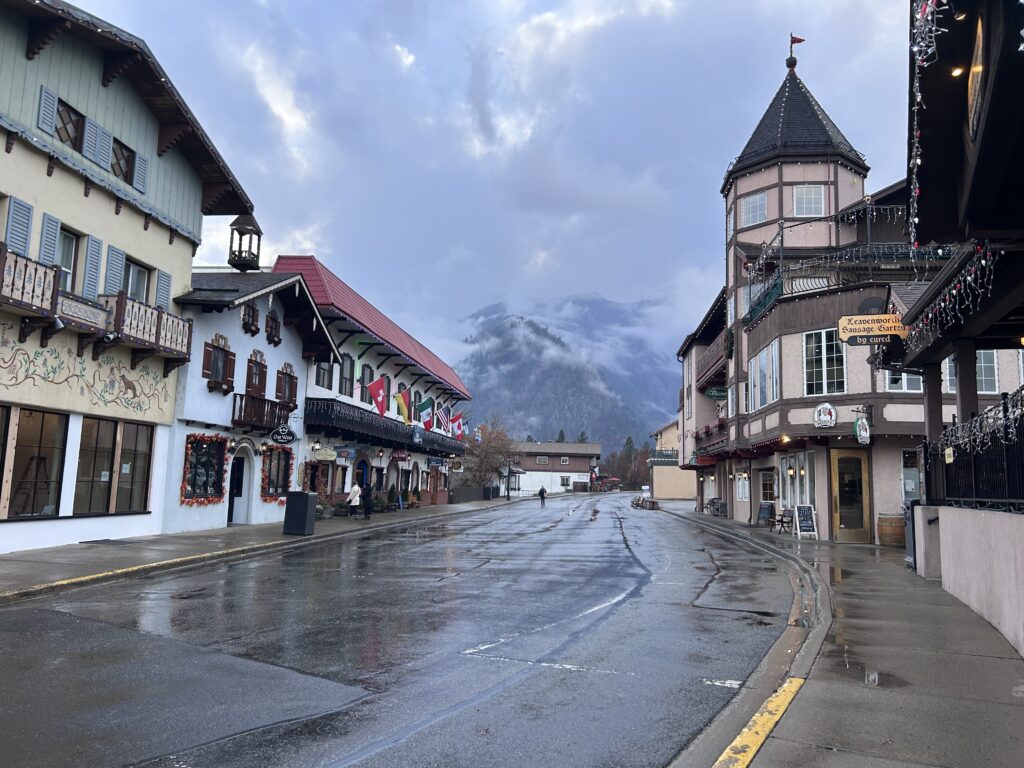
Leavenworth, WA
The Canada Route
The all-Canada route takes longer, and the prairie stretch tests your patience just as much as it does on the U.S. side. But where the U.S. route gives you scenery in bursts, the Canada route holds it for longer stretches.
Northern Ontario alone is a couple of days of lakes, dense forest, and the odd bear or moose on the shoulder (yes, we saw both). It’s a certain kind of peaceful and quiet that’s easy to rush through on the way to the mountains but it’s highly underrated in my opinion.
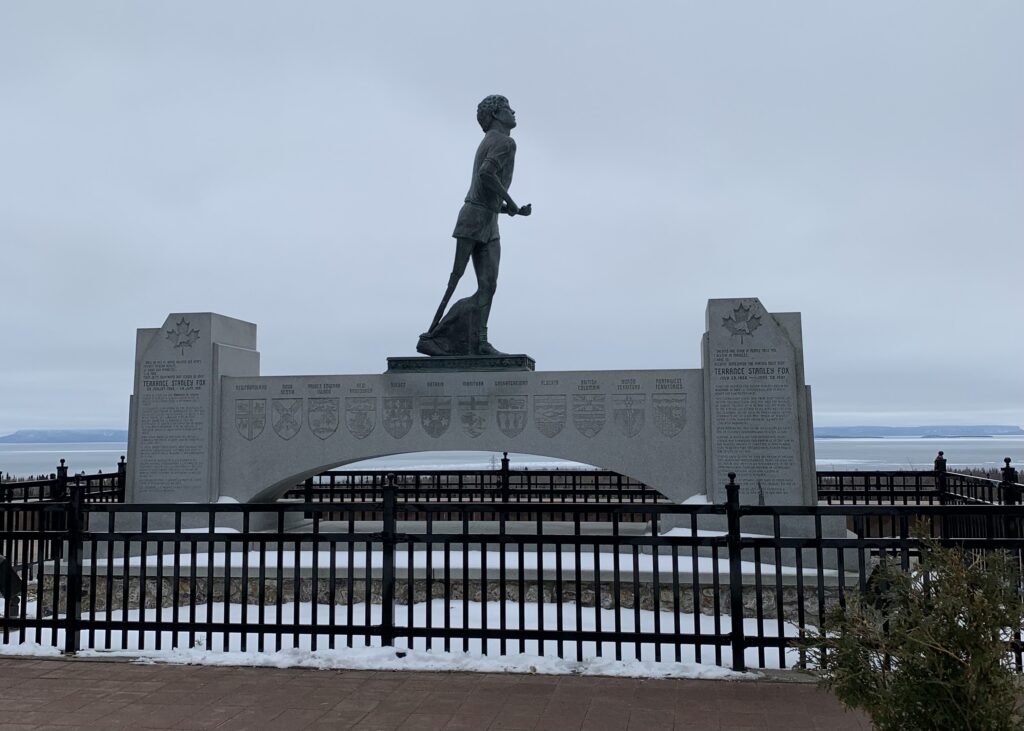
Terry Fox Statue in Thunder Bay, ON
Kenora was one place I regret not building time for. We drove along Lake of the Woods as the town came into view, and it was beautiful. I wanted to stop but we were on a tight schedule. It’s so far north that I’ll probably never drive near it again, so my advice is if you’re passing through, make the stop. It’s not the kind of detour you circle back for.
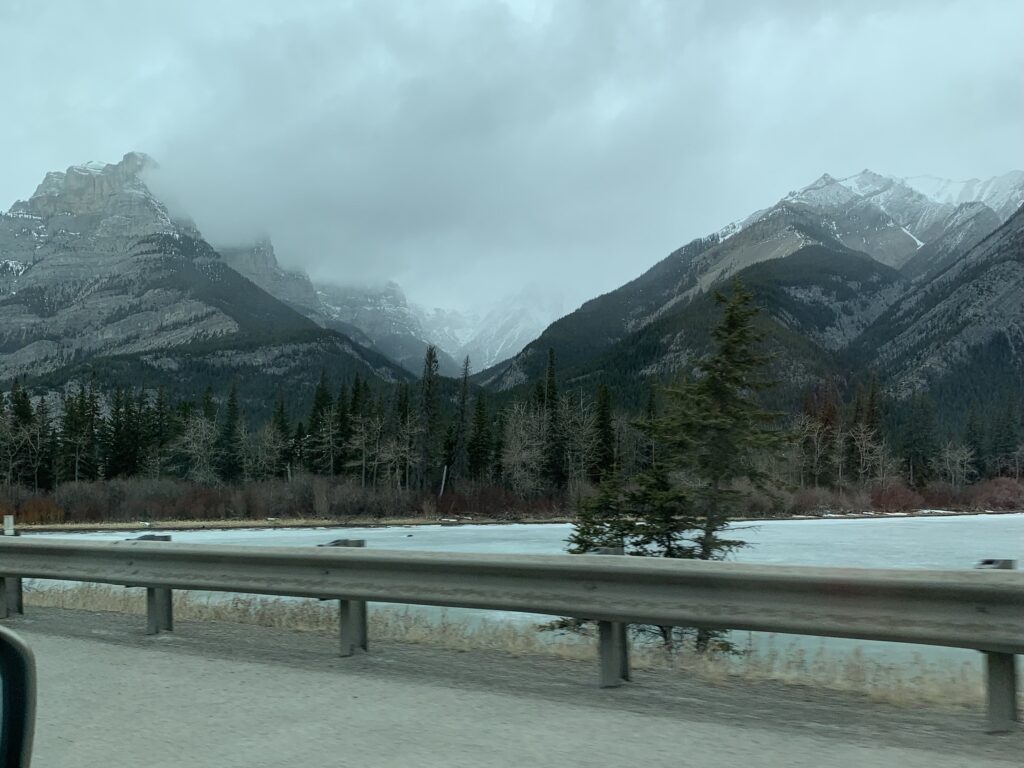
Entering the Canadian Rockies in Kananaskis, AB
Once you’re past Calgary and into the mountains, it’s like driving into a National Geographic spread. I’ve seen a lot of scenery on both sides of this border now, and the Canadian Rockies are still the best I’ve ever driven through, no doubt. Banff, Canmore, and Lake Louise are mainstream stops for a reason, and they’re worth it every time.
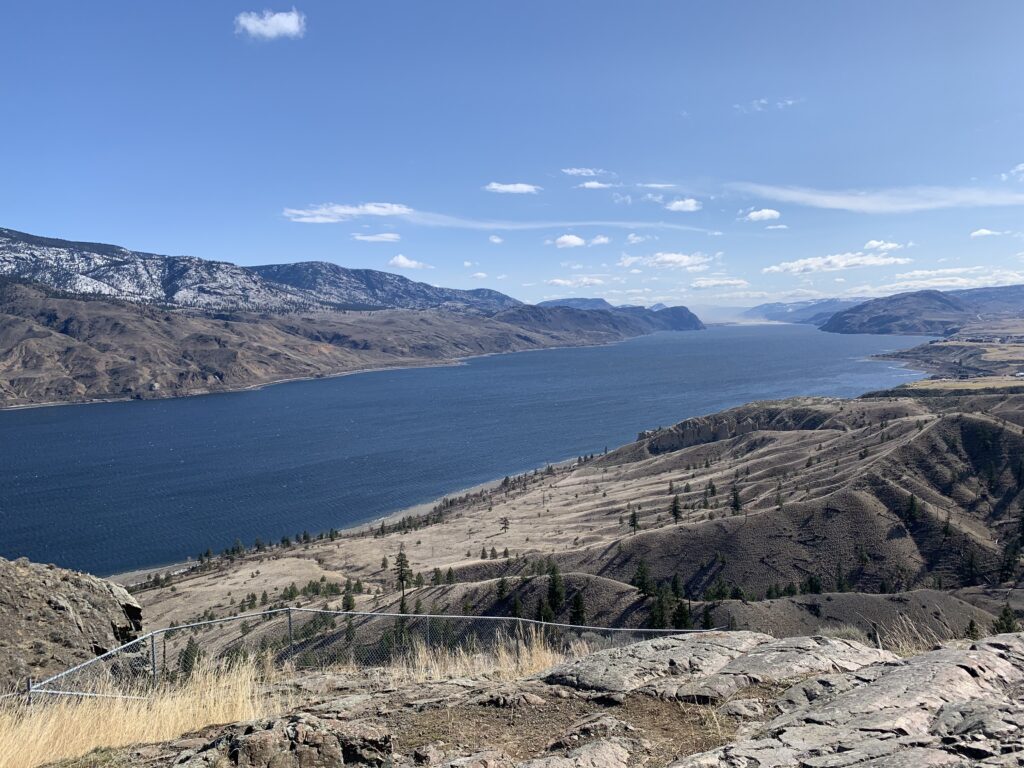
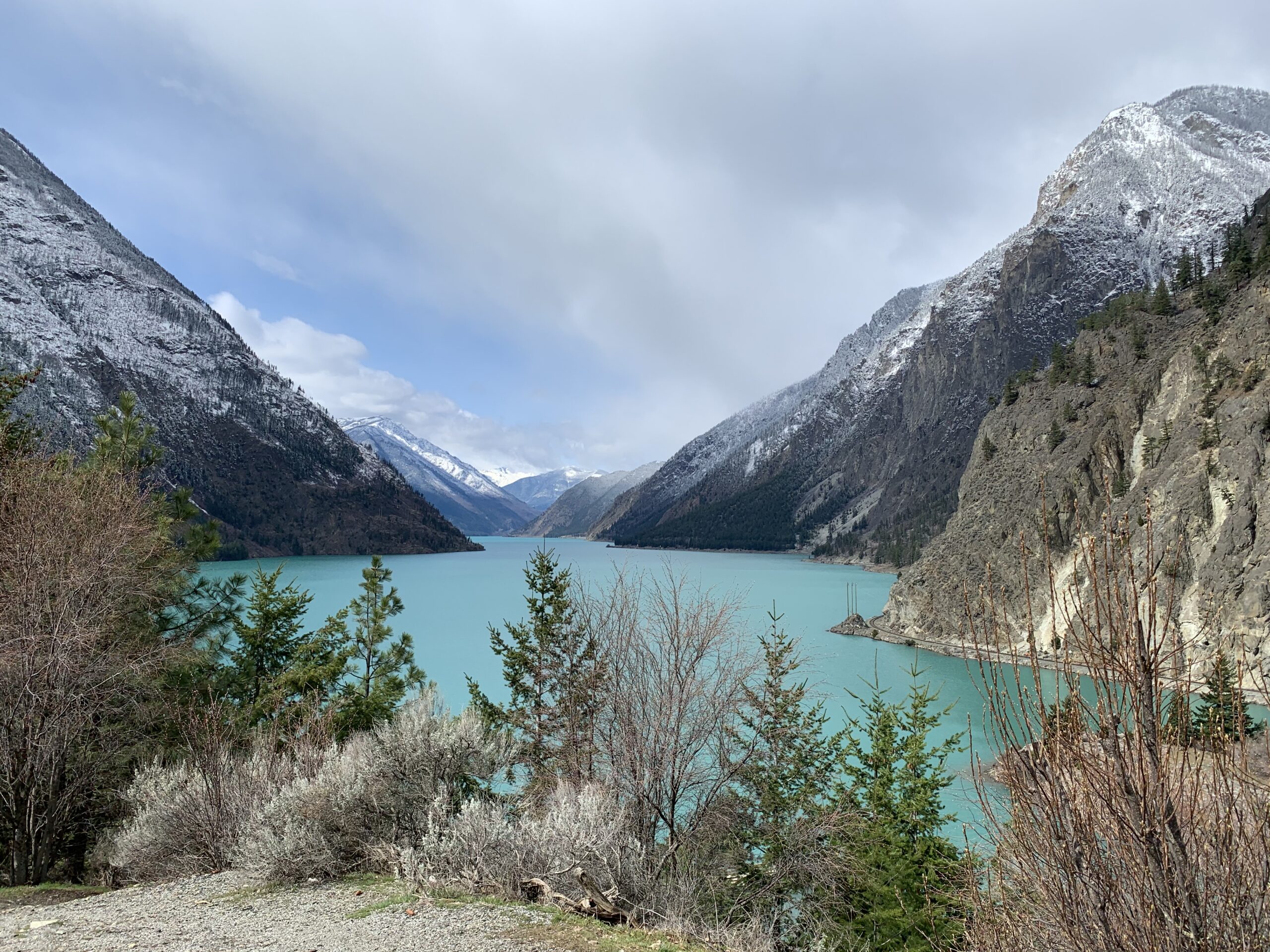
Kamloops Lake Viewpoint, BC
We moved fast on this route; Guelph to White River, Ontario, to Moosomin, Saskatchewan, to Golden, BC, to Whistler, hitting the mainstream stops rather than the small, unplanned ones. From Golden, we didn’t take the direct highway into Whistler; instead we came in from the north, through Salmon Arm, Kamloops, and Lillooet. It’s a longer, quieter way in, and the landscape shifts along the way from the dry, ranch-like hills around Kamloops to the narrow canyon roads near Lillooet before the final descent into Whistler.
Takeaway
If the drive itself is the trip, and scenery is what you’re after, go Canada, and give yourself five or six days instead of four. The extra day(s) should go toward getting off the mainstream stops and visiting smaller towns, provincial parks, and the places that don’t make the highlight reel. Towns like Wawa or Dryden in Northern Ontario, a stop at Moose Jaw to break up the prairie stretch, or a detour into Yoho or Wells Gray Provincial Park once you’re in BC, rather than only beelining straight for Banff and Lake Louise.
If you’re working against a deadline or watching your gas budget: the U.S. route holds up fine, and if you build in even a little slack, you’ll likely get your own version of Wallace 🙂